
GREEN

GREEN
Green is our favorite color on earth. It gave us our original home and hunger. For those of us who survive the winter, the first sight of it makes our mouths wet each spring. We need it, not just by our mouths but our eyes, noses, skin, spirit, and ears, hearing it tune the wind through pines and poplars.
Edible wild greens take on infinite forms in our varied hands and minds across the landmasses. One thing that many food traditions have in common is that the necessary, ritualistic filling of huge baskets with greens each spring is done by the oldest women of the place, which means to me it is vital work, the work of vitality - going out to find the gifts of the earth, finding them, bending for them, stuffing our pockets with them, bringing them back to the family fire, stuffing our mouths with them, returning them to earth as a turd, and so on.
Most vital work is the daily stuff, isn’t it? Waking, forgetting oneself, eating, drinking, shitting, kissing, walking, fishing, tending the shelter and the meadow. This perspective sends ambitious people off a ramp, but it makes me feel like a million bucks. In an ambitious world, I often feel unhelpful, but here is a task I know.
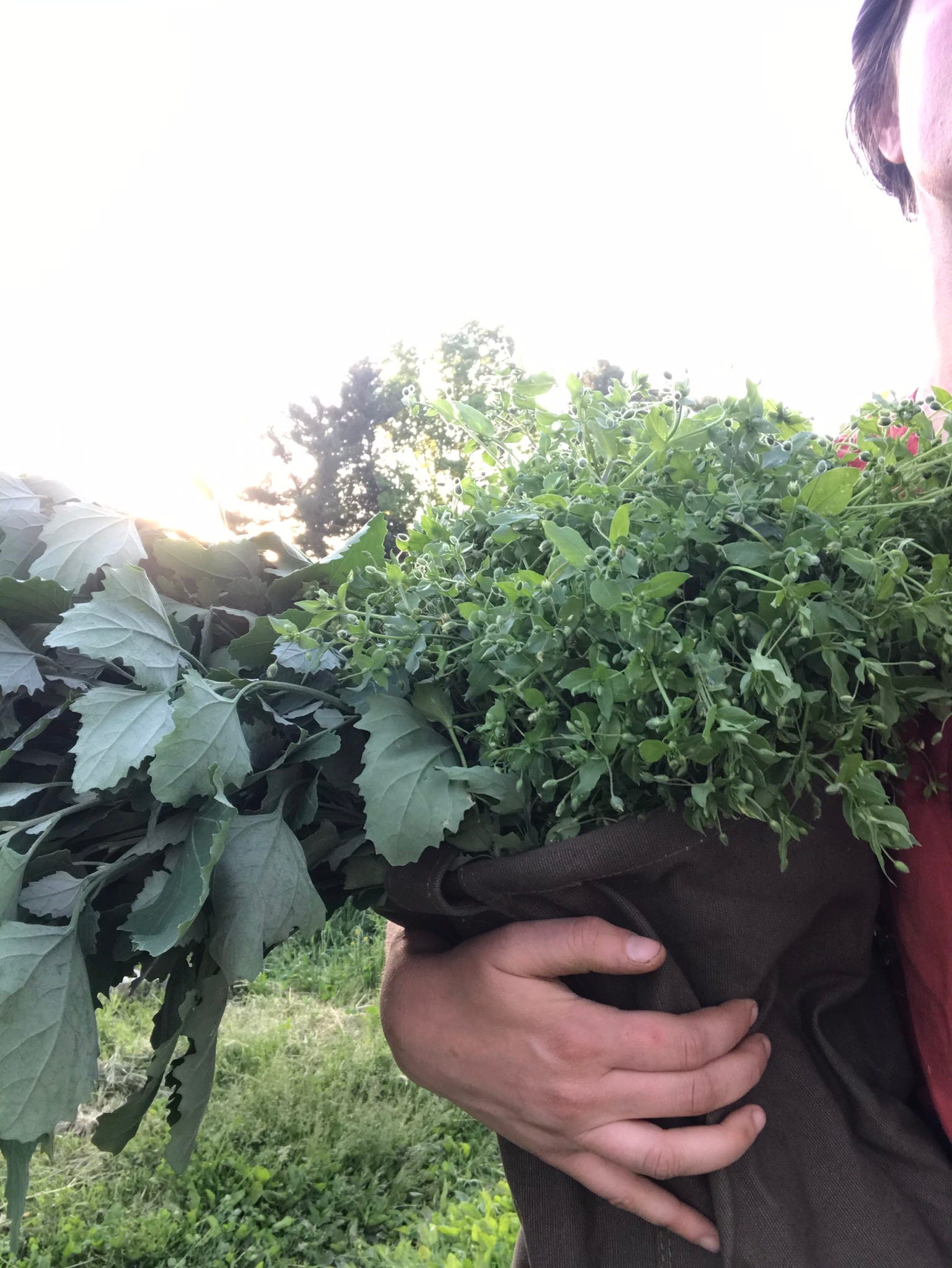
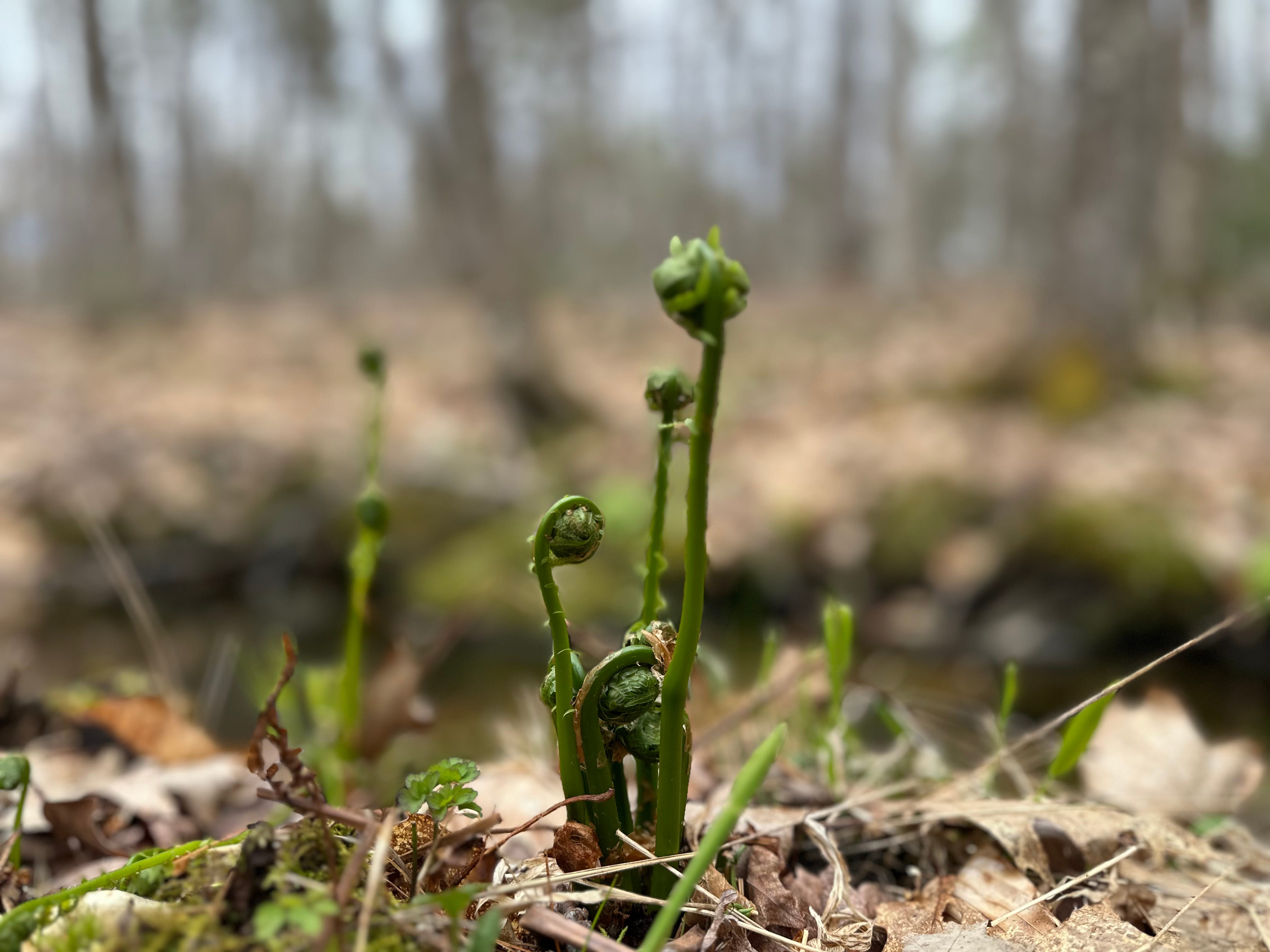
In Maine, edible wild greens are everywhere you look, now. We are at the height of a short season I call peak spring green, when the leaves and meristems are actively unfurling and they are tender and sweet to eat, and so we eat and preserve as many as we can stand. This season will rather quickly progress into summer greens, when everyone gets a little fibrous and bold with all the hot sun and bugs biting - this is when we collect bulk greens for making big batches of flavorful sauces and condiments. Lastly comes late season greens, bitter and tough and bristling with phytochemistry from surviving the season - these we use for medicine. While the spring greens are sweet, here are a few dishes I’ve made and loved lately.
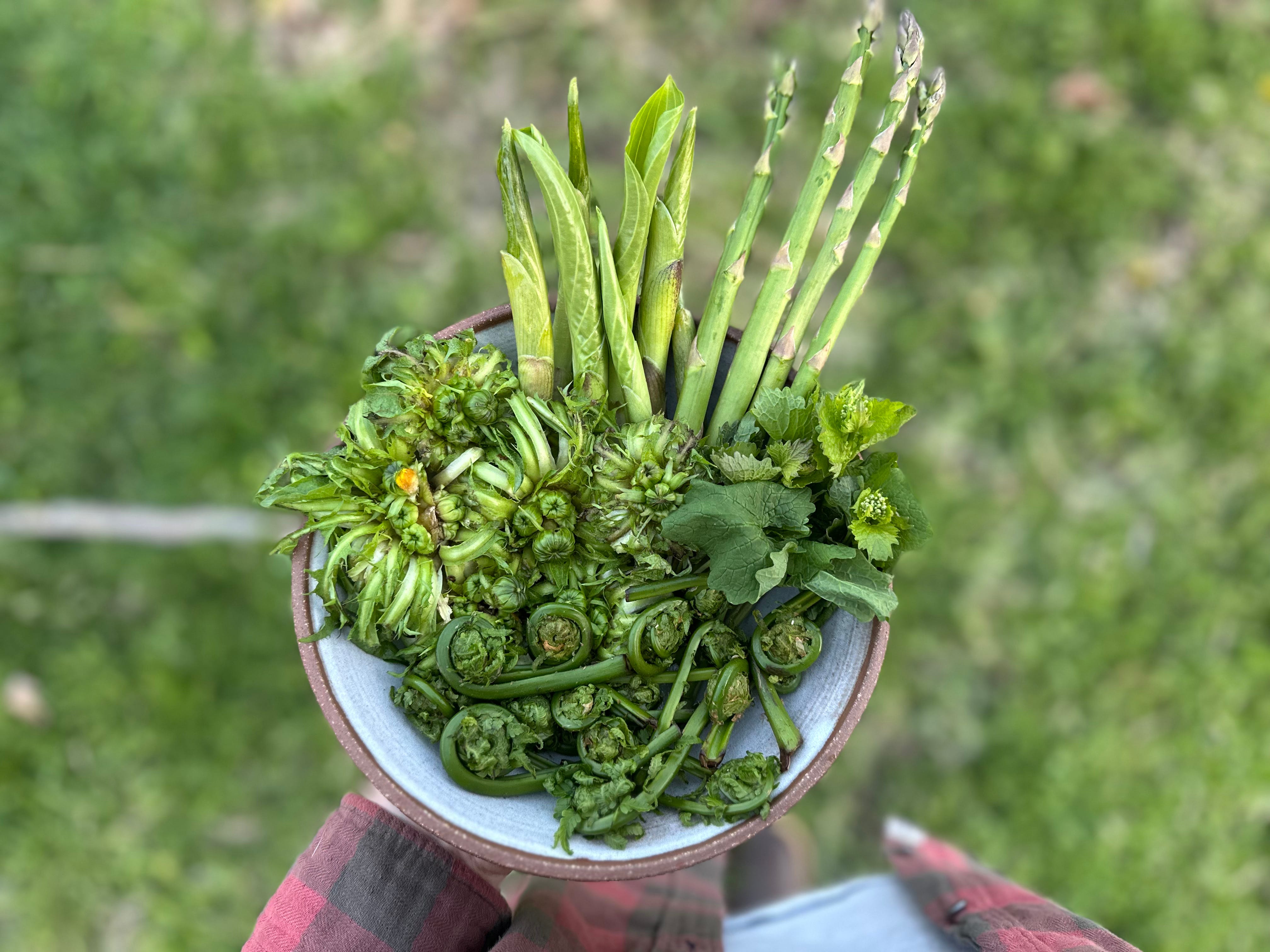
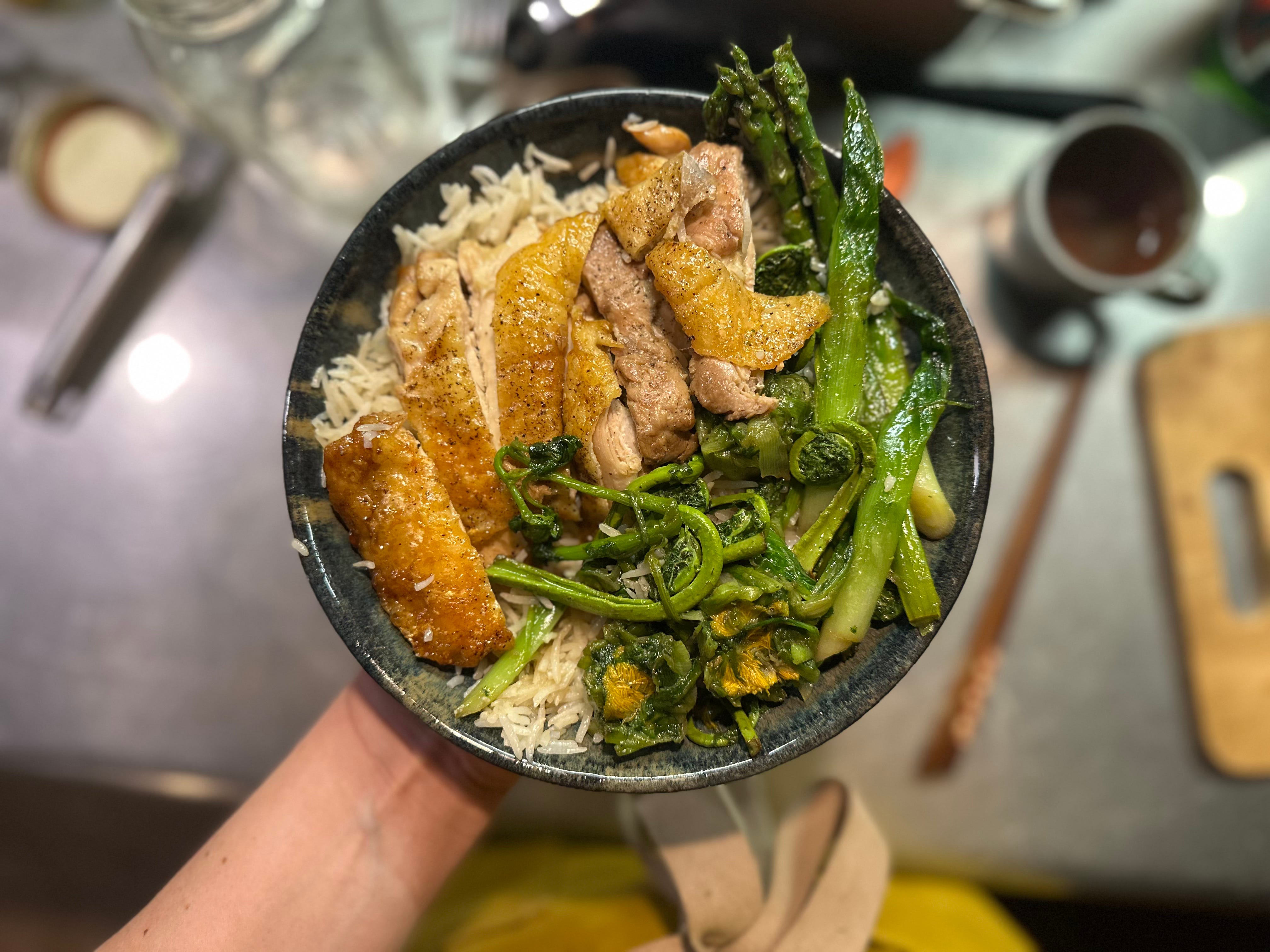
The garlic mustard is in the florette stage, my favorite stage, where I use the tops whole, like scrappy little brocolli raab stalks. I stir-fried a handful of these in a hot wok with another handful each of blanched and shocked dandelion crowns, hosta shoots, fiddlehead ferns, and asparagus. Served over butter rice with a chicken teriyaki thigh. So succulent.
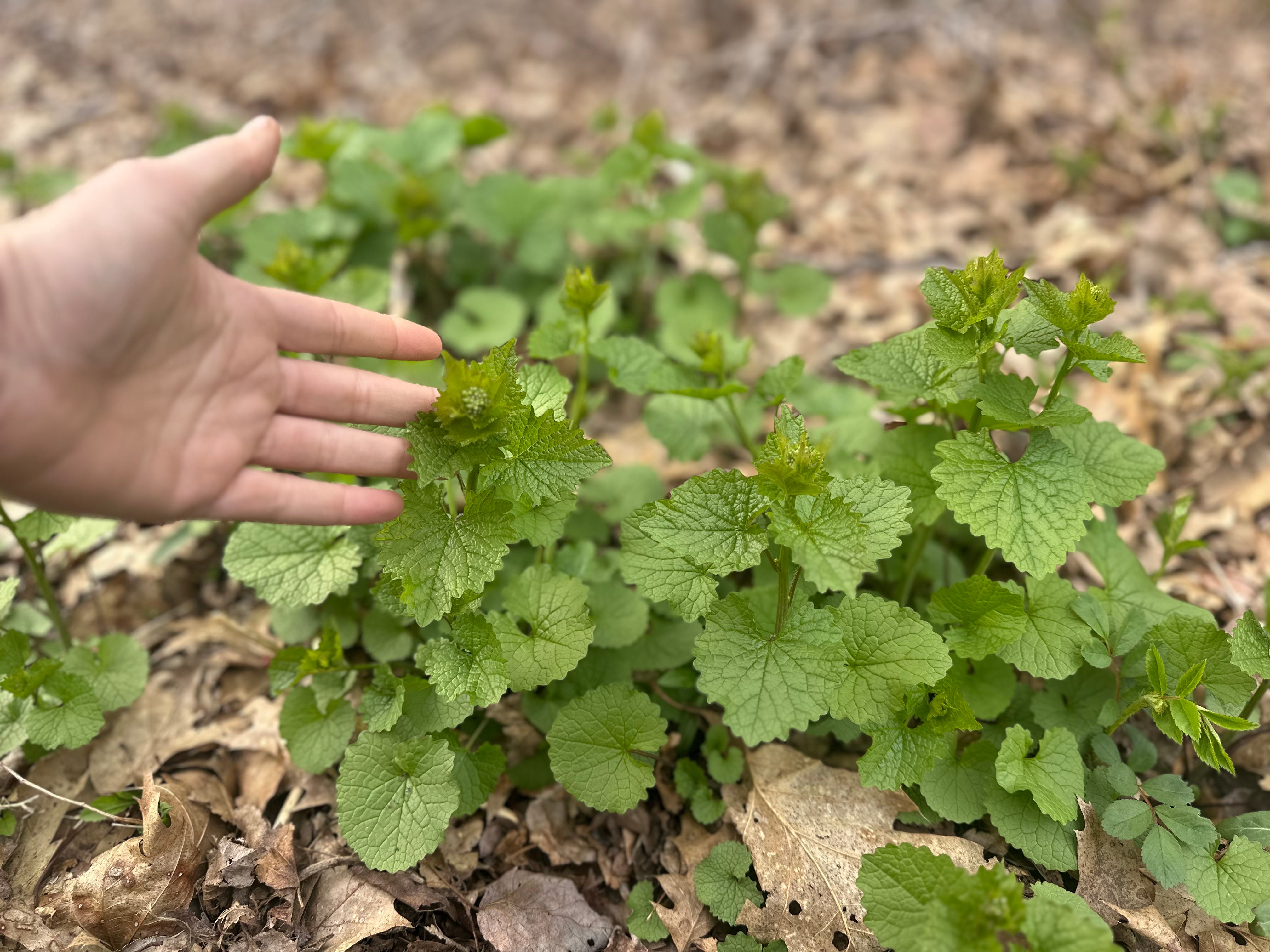
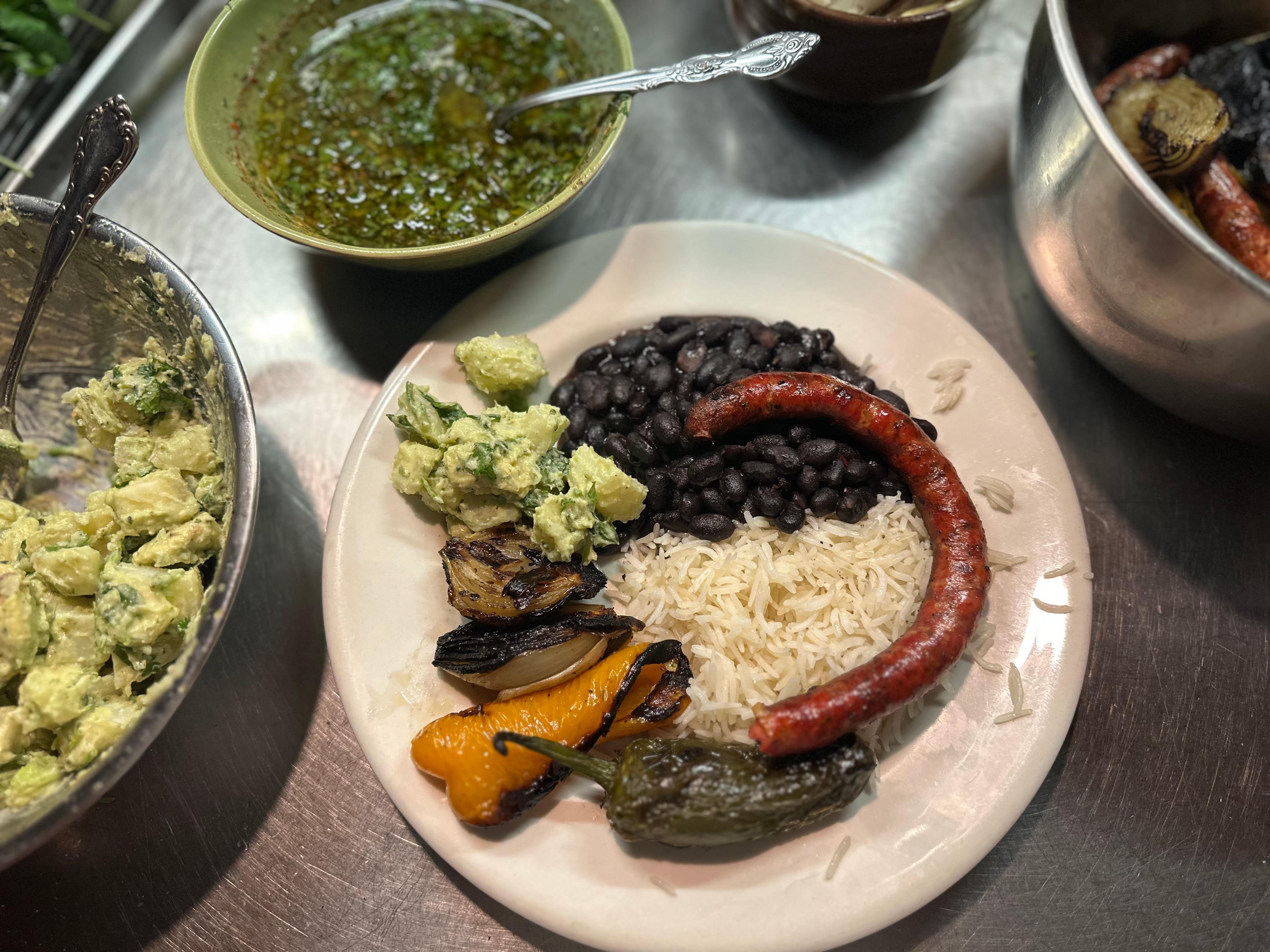
I went down to Massachusetts to visit my dad and decided it would be irresponsible of me not to stop at the Brazilian butcher in town before I headed home. I got many pounds of fresh linguica and had a week of churrasco-esque meals with grilled sausages, onions, peppers, and pineapple, rice and beans, yucca, avocado and wild herb salad, and, the star of the plate - wild herb chimichurri. I used this recipe as a guide, and in place of half of the dried oregano I used dried sweet fern, and in place of the fresh herbs, I used a mix of wild herbs like garlic mustard, golden alexanders, wild alliums, and wild mints. We ate variations of this meal all week and did not tire of it. It made five-star fuel for planting wild plum trees on the side of a mountain at Coal Burned Spoon Sanctuary.
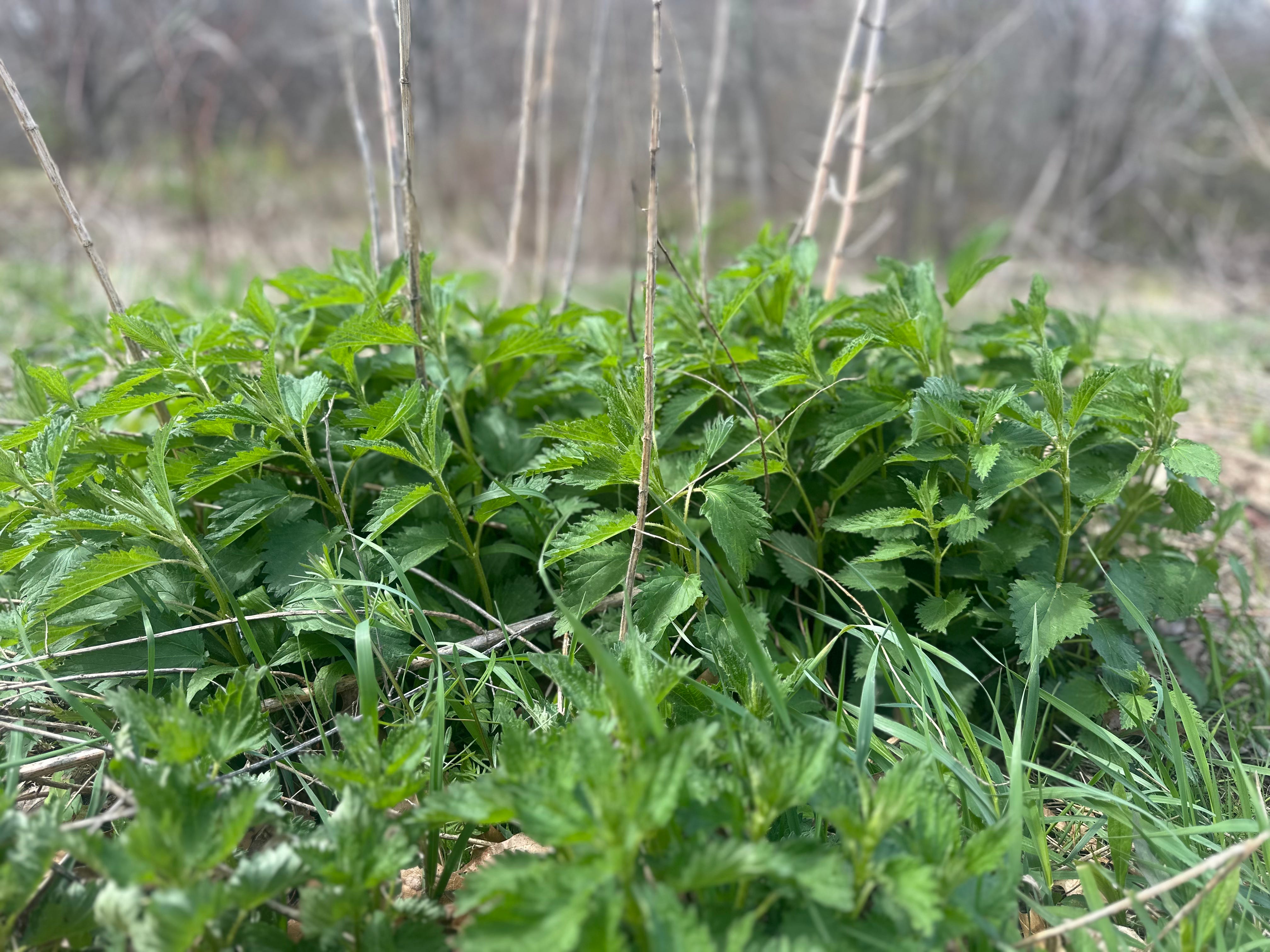
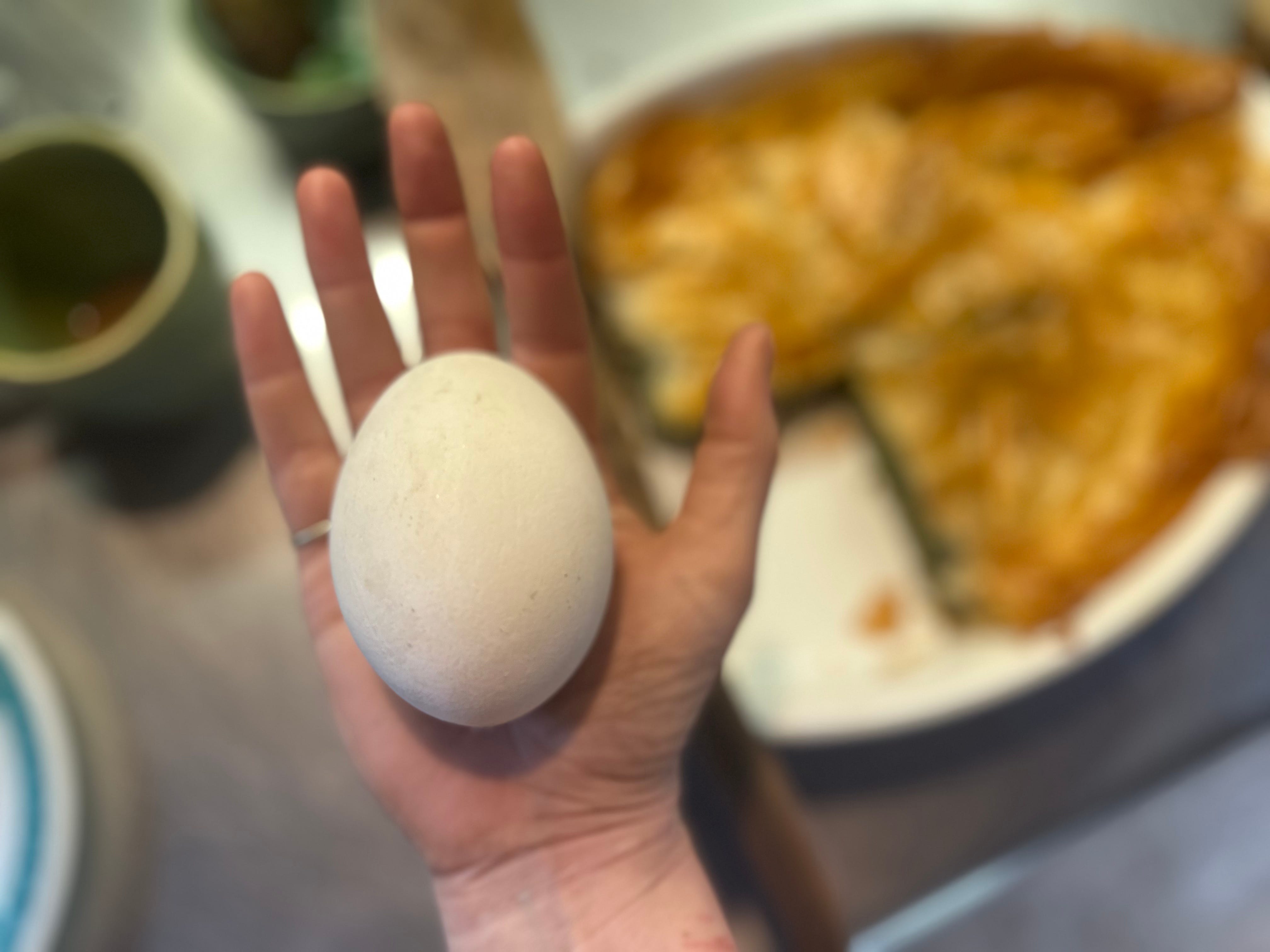
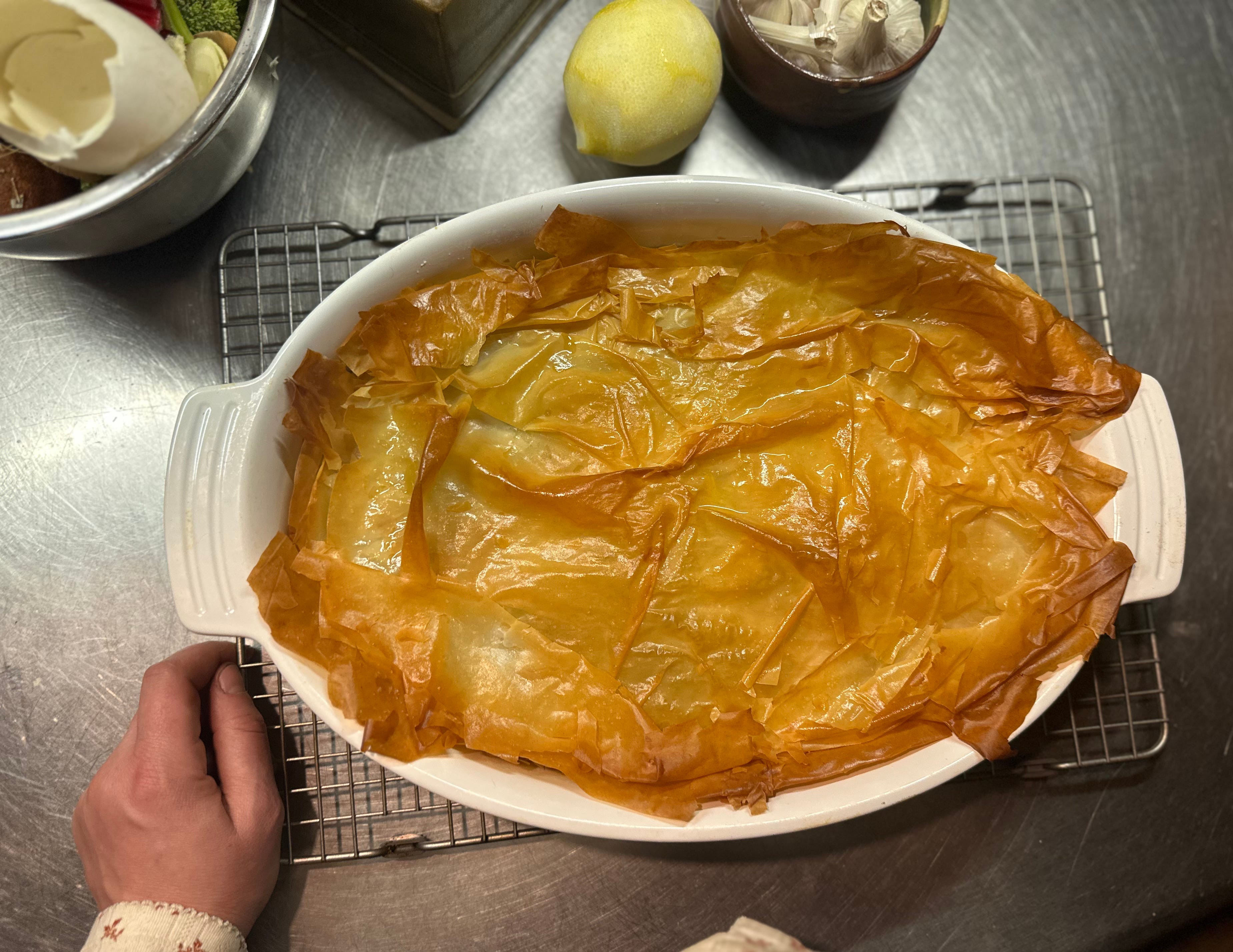
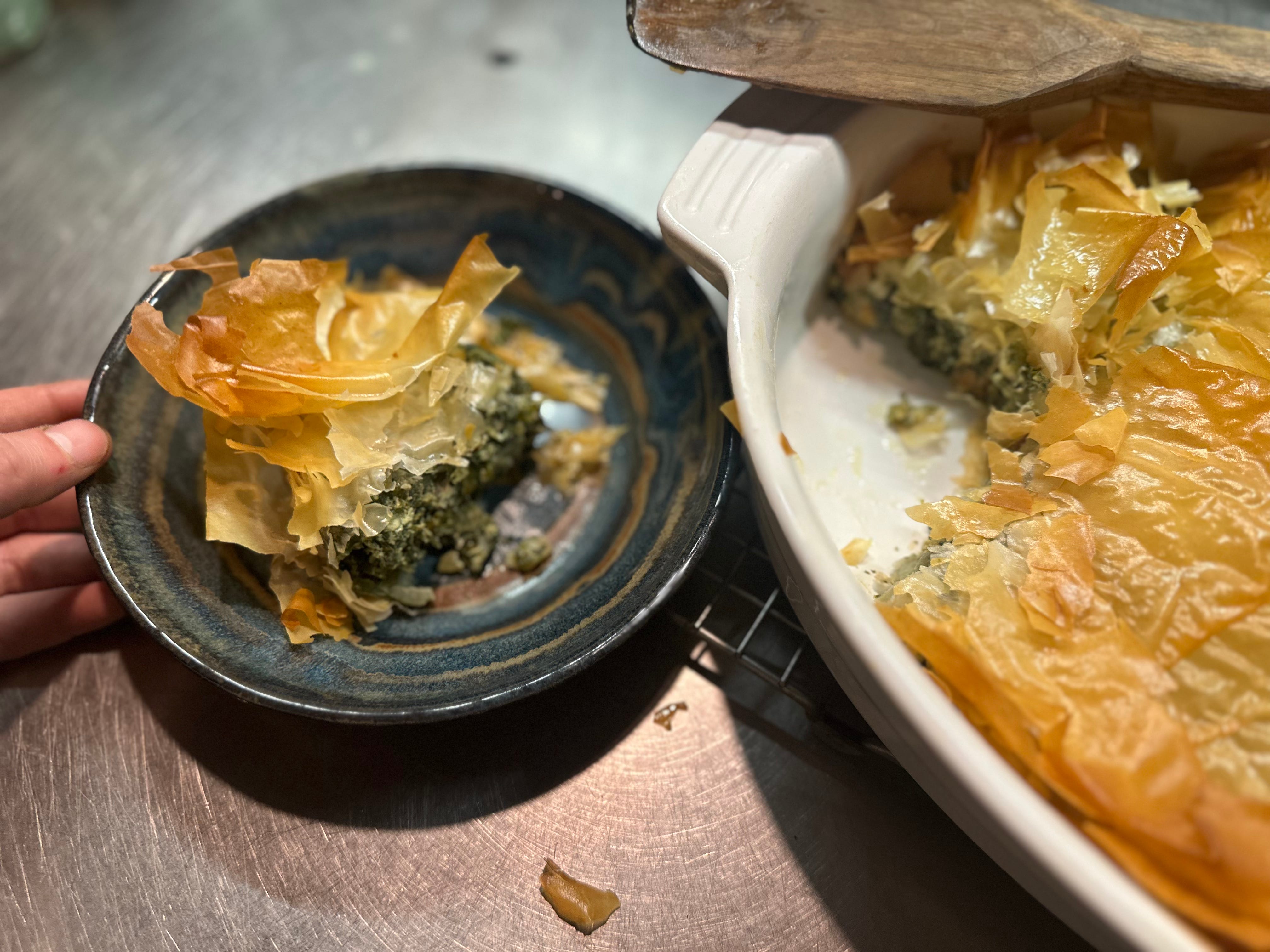
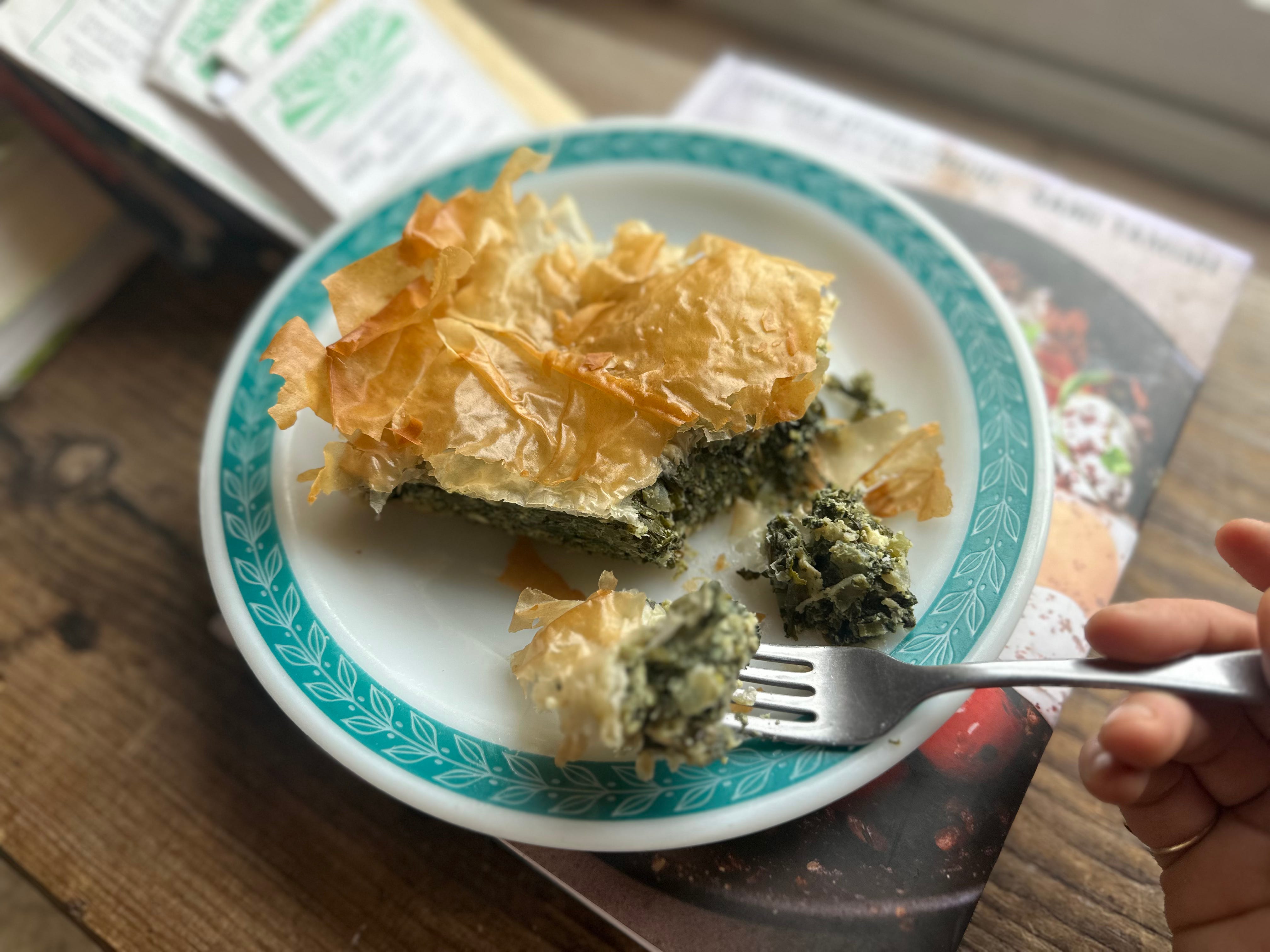
Another gold strike at Dad’s was the huge patch of stinging nettles at the edge of his woods behind the yard. I picked a big bag full and am still eating my way through them. The first priority was to make an herb pie. I followed a gorgeous recipe by Yotam Ottolenghi and Sami Tamimi in their book Jerusalem but in place of the swiss chard, celery, arugula, and dill, I substituted wild greens and herbs like nettles, garlic mustard, wintercress, golden alexanders, and mints. I used a tender, fresh ricotta and one of the giant goose eggs my husband got from the guy who runs the gravel pit. It is one of the best things I’ve ever made and a really brilliant way to pack a bushel of greens into your gut. I ate it for three meals a day for three days straight and my body is still craving more.
Here are a few spring foraging pieces I’ve written that might help if you’d like to pick some of your own spring greens.
Three Things to Forage This Spring
Maine Magazine’s A Beginner's Guide to Foraging
xo.
If you were a country, I'd be longing to visit.
So good, Jenna. I’m reminded of Gary Snyder: “[Get] control of your own time; master the twenty-four hours. Do it well, without self-pity. It is as hard to get the children herded into the car pool and down the road to the bus as it is to chant sutras in the Buddha-hall on a cold morning. One move is not better than the other, each can be quite boring, and they both have the virtuous quality of repetition. Repetition and ritual and their good results come in many forms. Changing the filter, wiping noses, going to meetings, picking up around the house, washing the dishes, checking the dipstick — don’t let yourself think these are distracting you from your more serious pursuits. Such a round of chores is not a set of difficulties we hope to escape from so that we may ‘practice’ which will put us on a ‘path’— it is our path.”