
Sandwiches

My father’s favorite sandwich is a peanut butter and onion - white bread, creamy, Vidalia. I found this sandwich in an old church cookbook recently under the name Kiss Me Not. My own deathbed sandwich might be peanut butter and fluff. Preferably eaten in the nineties, in the cow barn at the Fryeburg Fair. I haven’t had one in years which might be why it retains such status, but I stand by my choice - it’s just so soft you can’t argue with it. In other moods or weather, I might choose a grilled cheese, a cheeseburger (smashed, half mutton), fried haddock, lobster roll, BLT, sausage pepper and onion at The Miracle Fair, a Publix Italian on my Uncle Greg’s boat off the shore of Cumberland Island, the vegetable and tahini pita with sunflower seeds that my mom used to make at the healthfood store she worked at when I was young, a tomato sandwich if I die in August, or, if I still haven’t gotten around to making it, Clarise’s Meatball Sandwich, from the Tartine Bread book that I’ve been staring at lewdly for as many years as I’ve had the book.
I love sandwiches, but I don’t eat a lot of them. For some reason, they never made it into the repertoire. Somewhere along the line, I put them into the treat category and so when I eat one on a regular day with no special occasion I’m always looking around like I’m getting away with something. I was listening to Maggie Hoffman’s The Dinner Plan podcast recently and someone said that to simplify their lives, they make sandwiches for dinner once a week. I cocked my head. A simpler life through sandwiches… I broke a sweat. I paced around. I got to work. I’ve been planning menus for all of my upcoming wild food walks and thinking about picnics by the river, so I have some recipe testing to do and sandwiches fit the bill.
For my walk at The Waterford Inne on August 2nd we should have just stepped into peak tomato season, so I think the main course will be a big pile of tomato sandwiches, which is as simple and good as it gets, but still much to work out - how thick to slice them, what to dress them in and how long before, what kind of bread, to toast or not to toast, fats, condiments, etc… I’m looking forward to working this out.
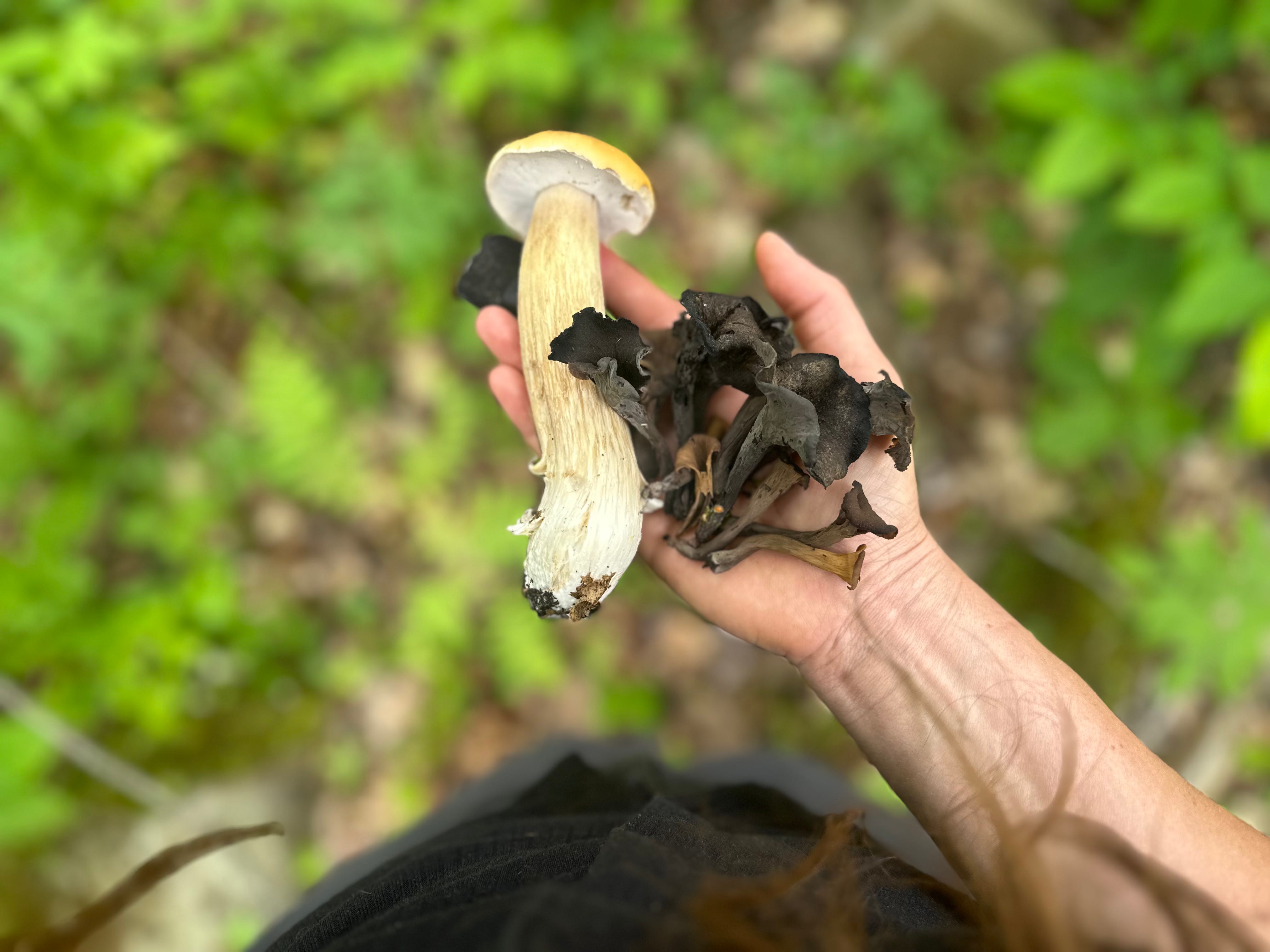
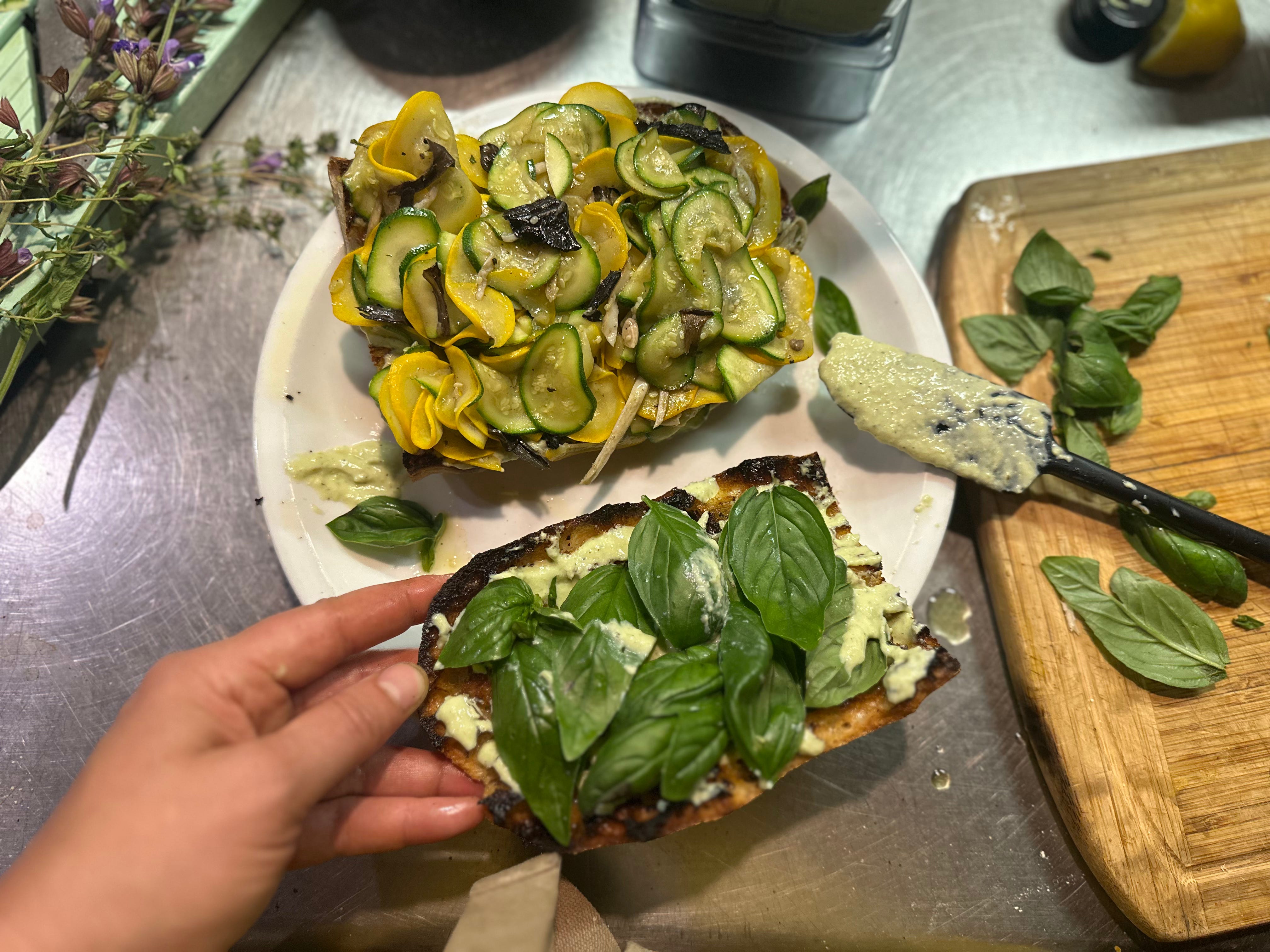
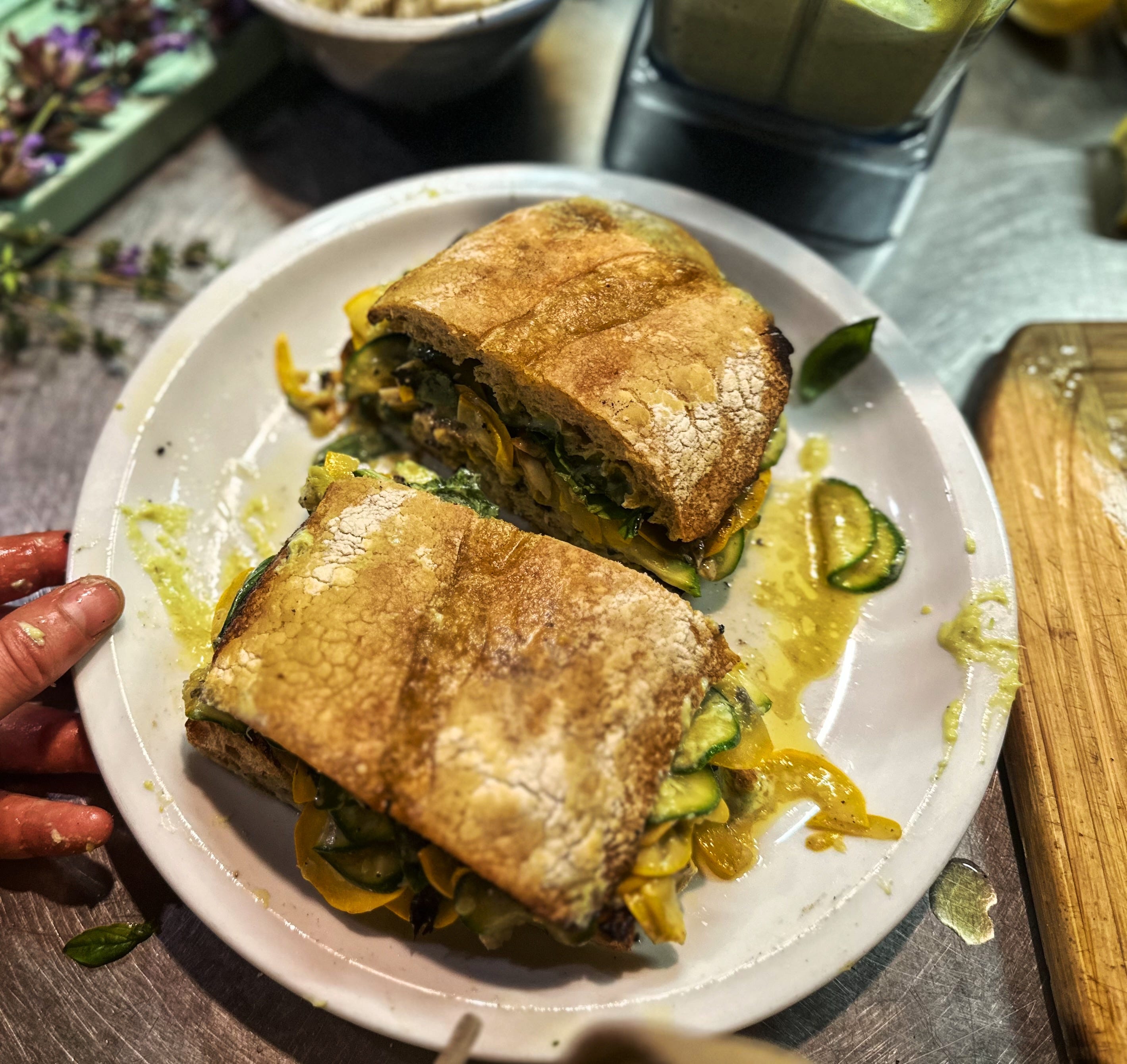
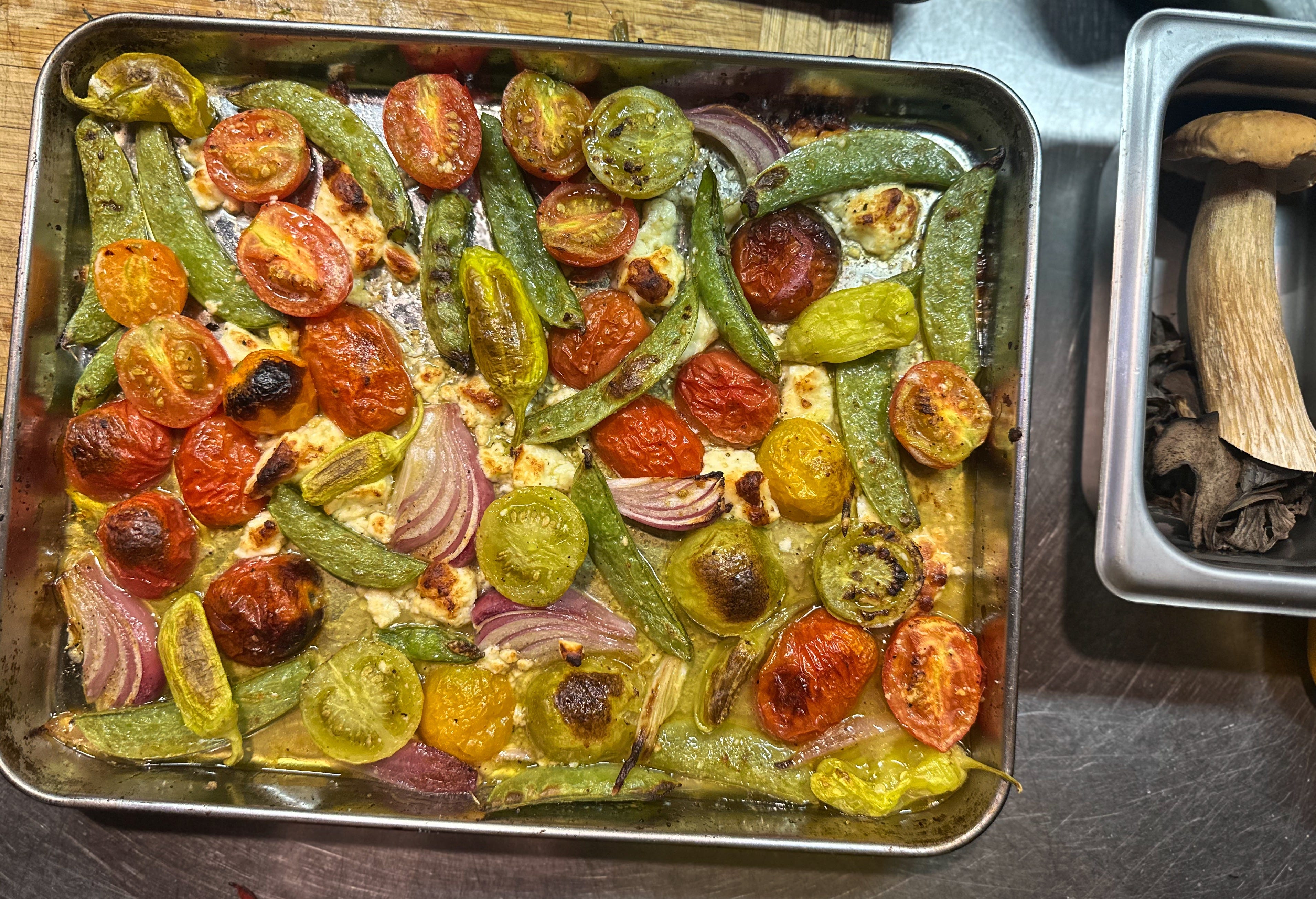
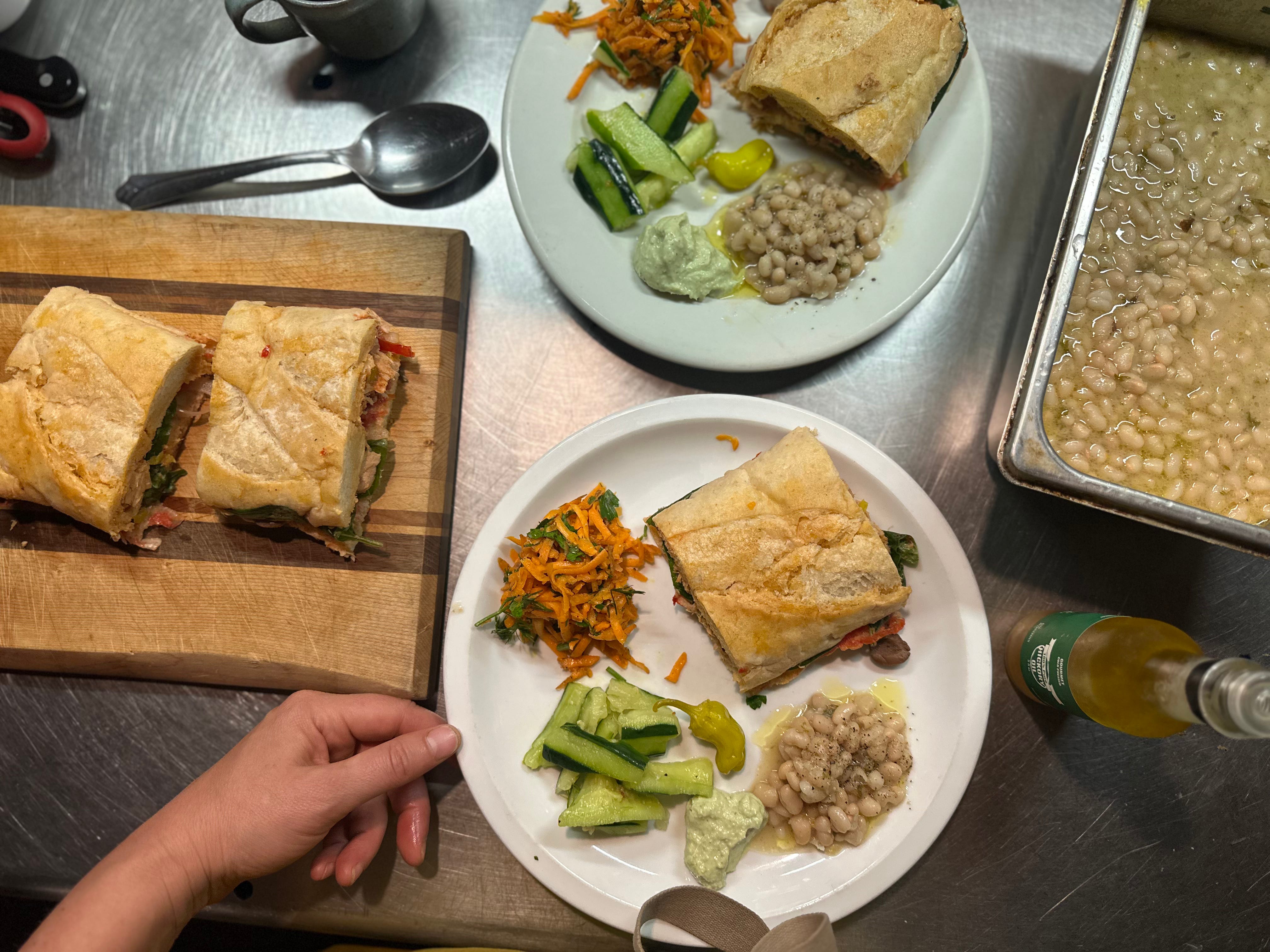
I’d been finding handfuls of wild mushrooms but not basketfuls, so not enough to throw on the drying racks but the perfect amount to eat fresh for dinner. I sauteed these black trumpets and boletes with zucchini and summer squash. I got a good ciabatta, halved it four ways, reserved half for the next day, plucked some of the crumb from the other half, oiled and toasted it. I whipped ricotta with garlic scapes and fermented lemon. I picked basil from the garden. I spread and piled everything onto the ciabatta, and gave it all a squeeze of lemon and oil. For the salad I blistered a tray of cherry tomatoes, new onions, snap peas, pepperoncinis, and feta and heaped those onto green lettuce. I used the juice from broiling to make a vinaigrette with dried sweet fern. It was the kind of meal where you make a lot of exclamatory sounds but never actually speak because you’re busy putting another bite in your mouth and examining with your tongue.
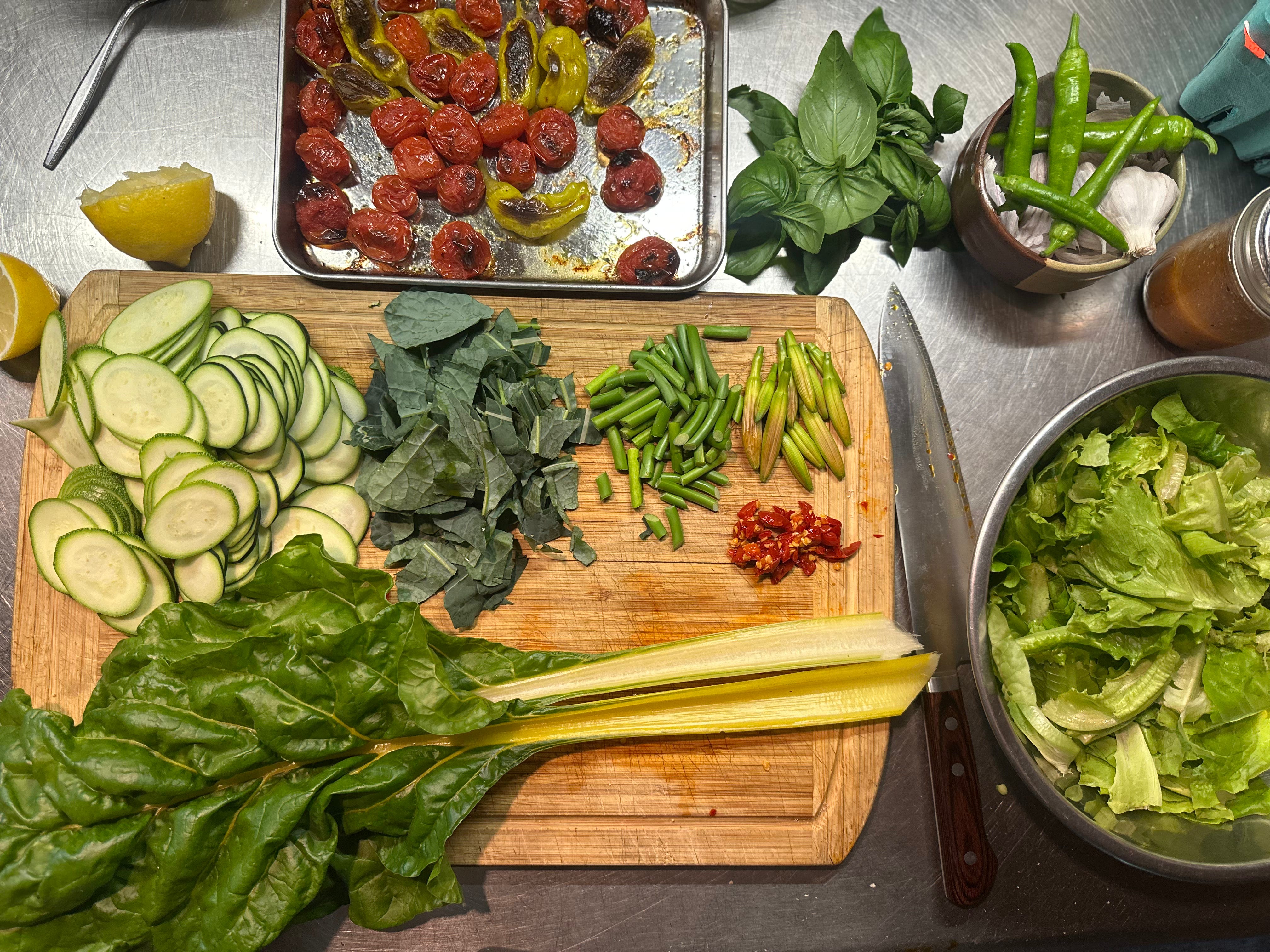
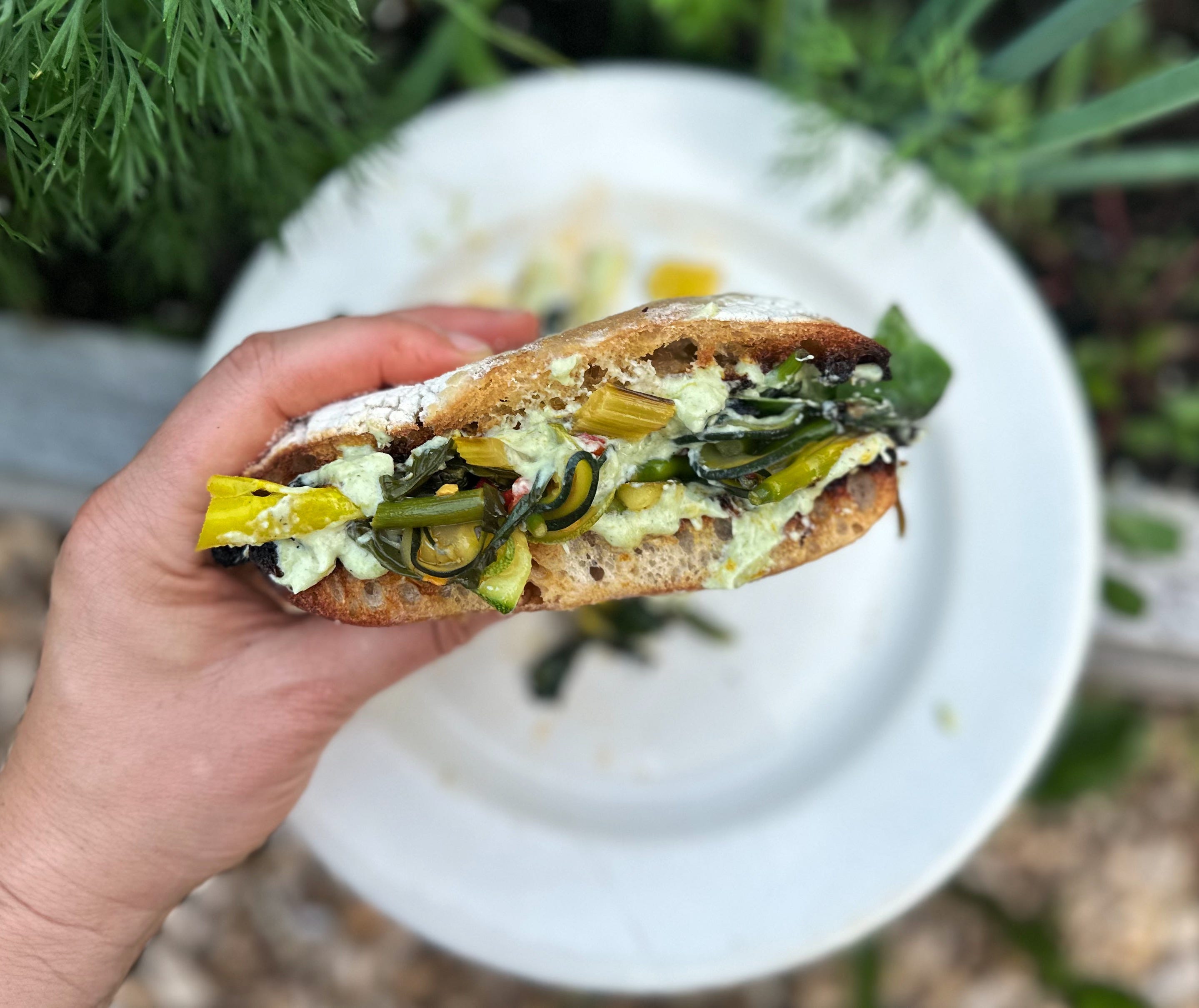
The next day, I wanted to use the rest of the ciabatta (and I wanted to eat another sandwich). I had no more mushrooms, but plenty of vegetables so I made a similar saute with zucchini, chard, garlic scapes, daylily buds, and calabrian chilies and piled it between the two slices spread with the garlic scape ricotta. For the salad, I was down to lettuce, pepperoncini, and some sad -ish cherry tomatoes I’d purchased just before the local ones started coming in. I wondered how I could make them more tomatoey. I broiled them, used the juices for the dressing, and also added a teaspoon or so of the estratto di pomodoro that my husband bought me for my birthday - what a savory tomato bomb!
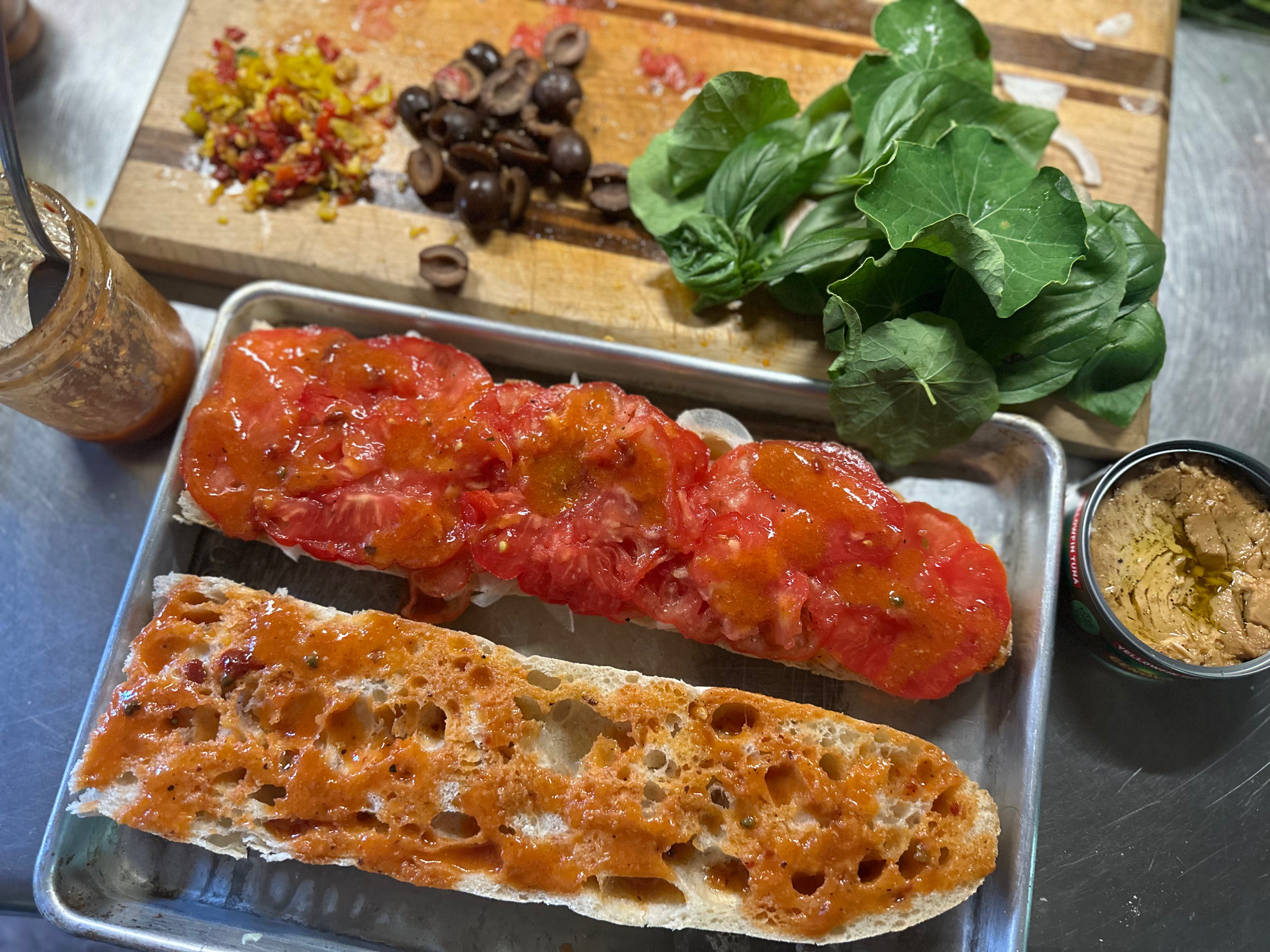
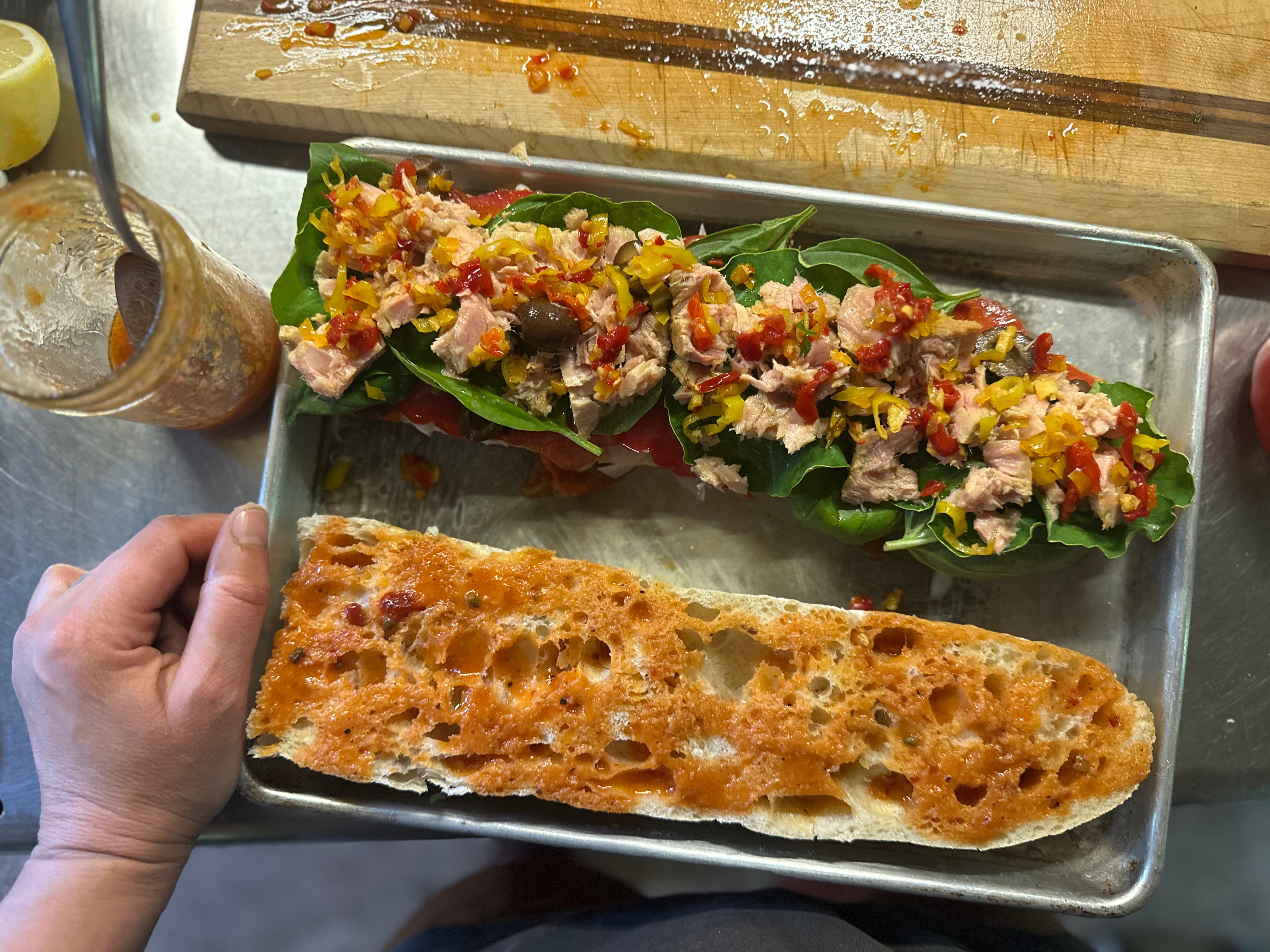
I first learned about the Pan Bagnet ( bathed bread) from Julia and Jacque (video down at the end). Julia said the bath (of oil and vinaigrette) should be sufficient enough to run down your elbow. These local tomatoes looked and felt nice but they were still early season tomatoes - a little lackluster despite visual appeal. This seemed the perfect moment to use the rest of that concentrated tomato vinaigrette, so I bathed the bread and tomatoes in it. Onto that went slivers of onion, basil, nasturtium, black olives, tuna in oil, pepperoncini, calabrian chili, and green elderberry capers (now is the season to make those). I wrapped it all tightly in cling film, set on a sheet tray, put another sheet tray on top with a gallon bag of dried beans and my heaviest cast iron skillet on top of that and put it in the fridge to press for a few hours.
For sides, I batched a few salads for the week: a French carrot salad with parsley and American burnweed, a cucumber purslane salad, and Great Northern beans braised with wild bay, wild kelp, fermented lemon, and finished with wild hickory oil. This kept us in lunches and snacks for a few days. I would use a sturdier country loaf for the sandwich next time but I was happy with how well this softer baguette held up.
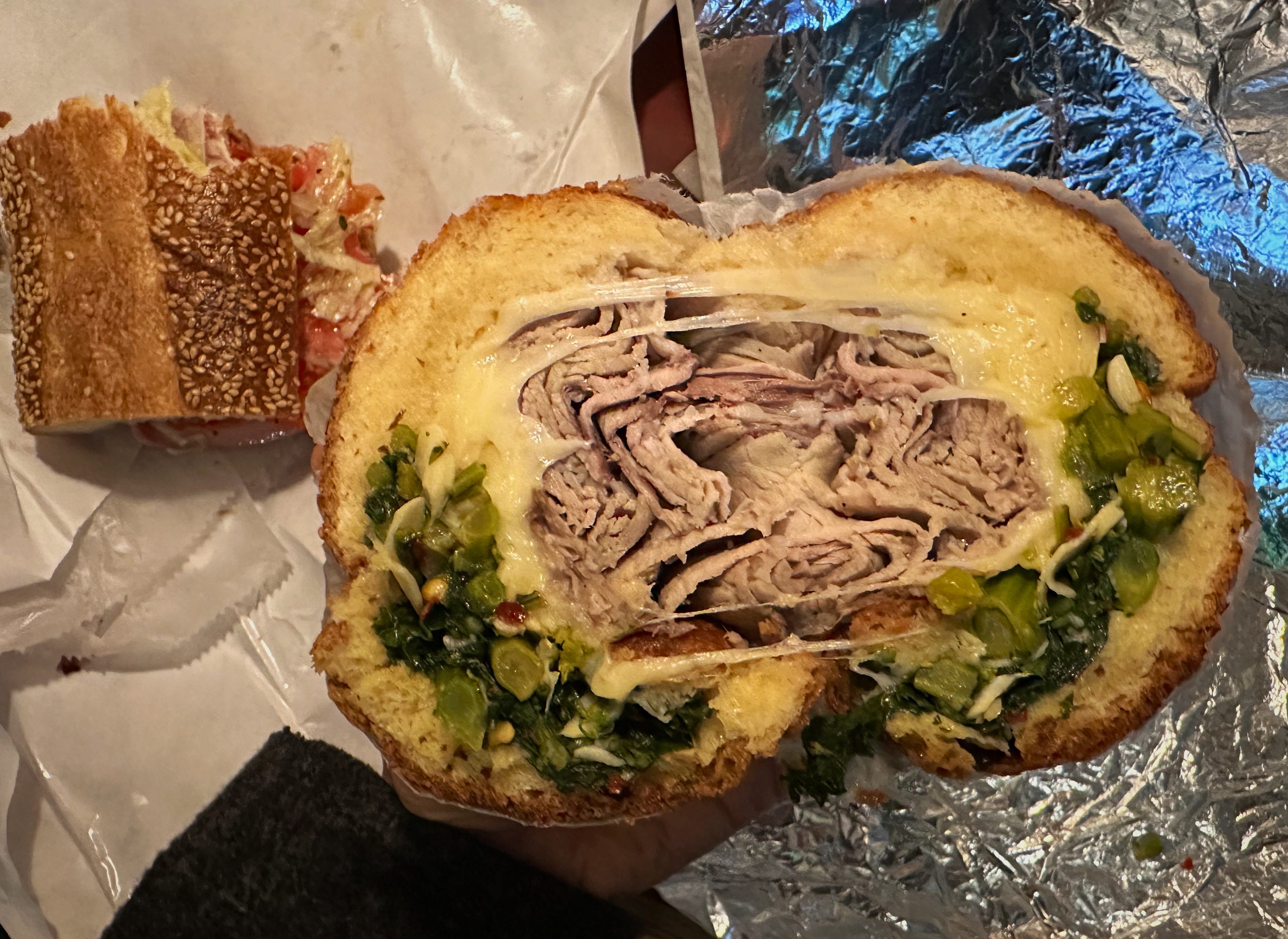
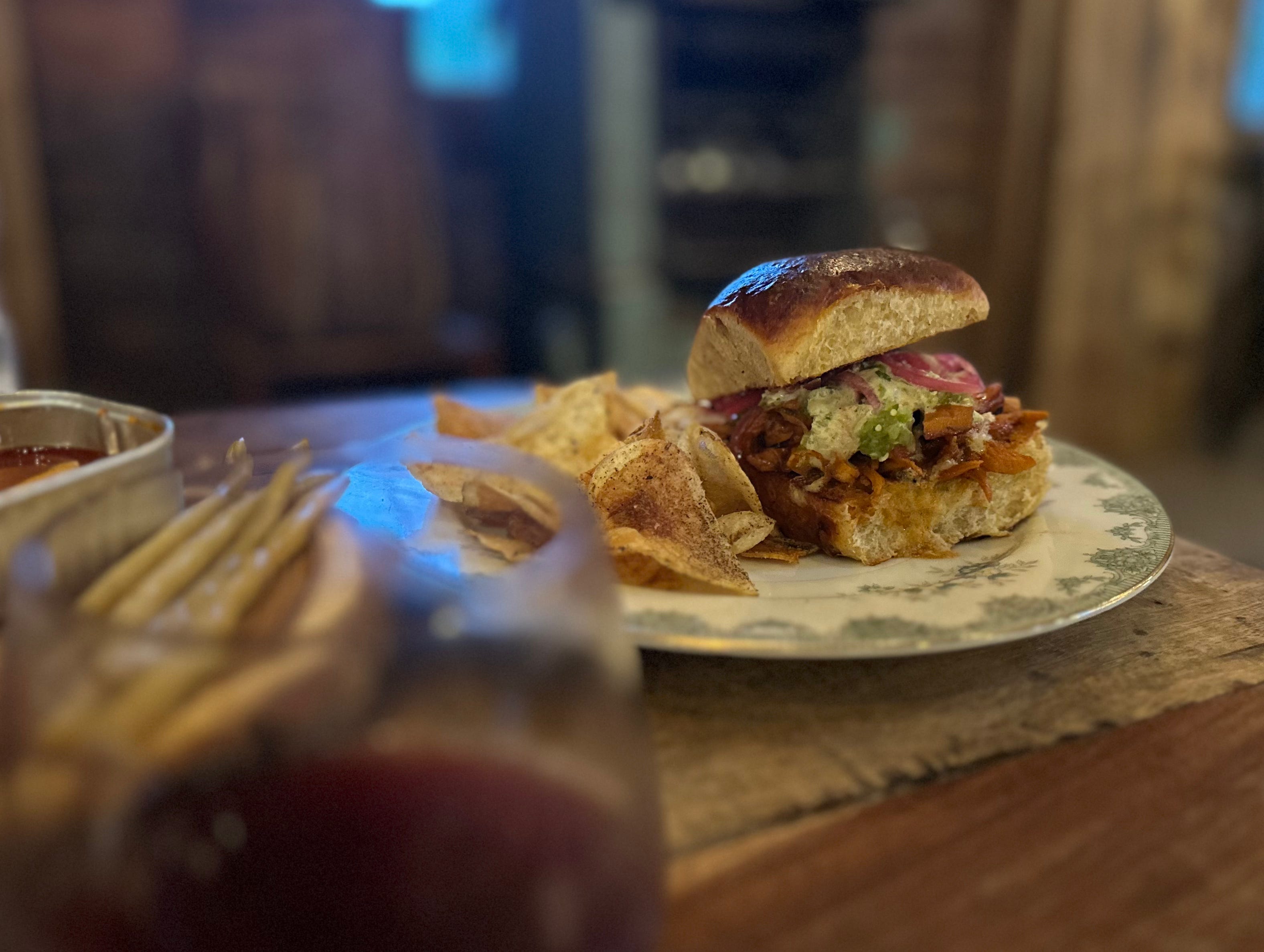
Most sandwiches of the world, I’ll never taste, which I do mourn, but they live robust lives in my imagination, particularly when I wander far afield, thinking I’d be fine with just a pack of peanuts. I only had my first proper banh mi like three years ago which permanently altered my landscape. The sandwich scene here in Maine, though, is, in my entirely biased opinion, one of the best in the world. I have had sandwiches here that I still think about regularly years later like this roast pork and broccoli raab at Ramona's, this perfect little barbecue chicken of the woods mushroom sandwich at The Waterford Inne, the fried squid marinara at with hot cherry peppers at Fish & Whistle, and the tuna sandwich to end all tuna sandwiches at the diner to end all diners The Palace Diner.
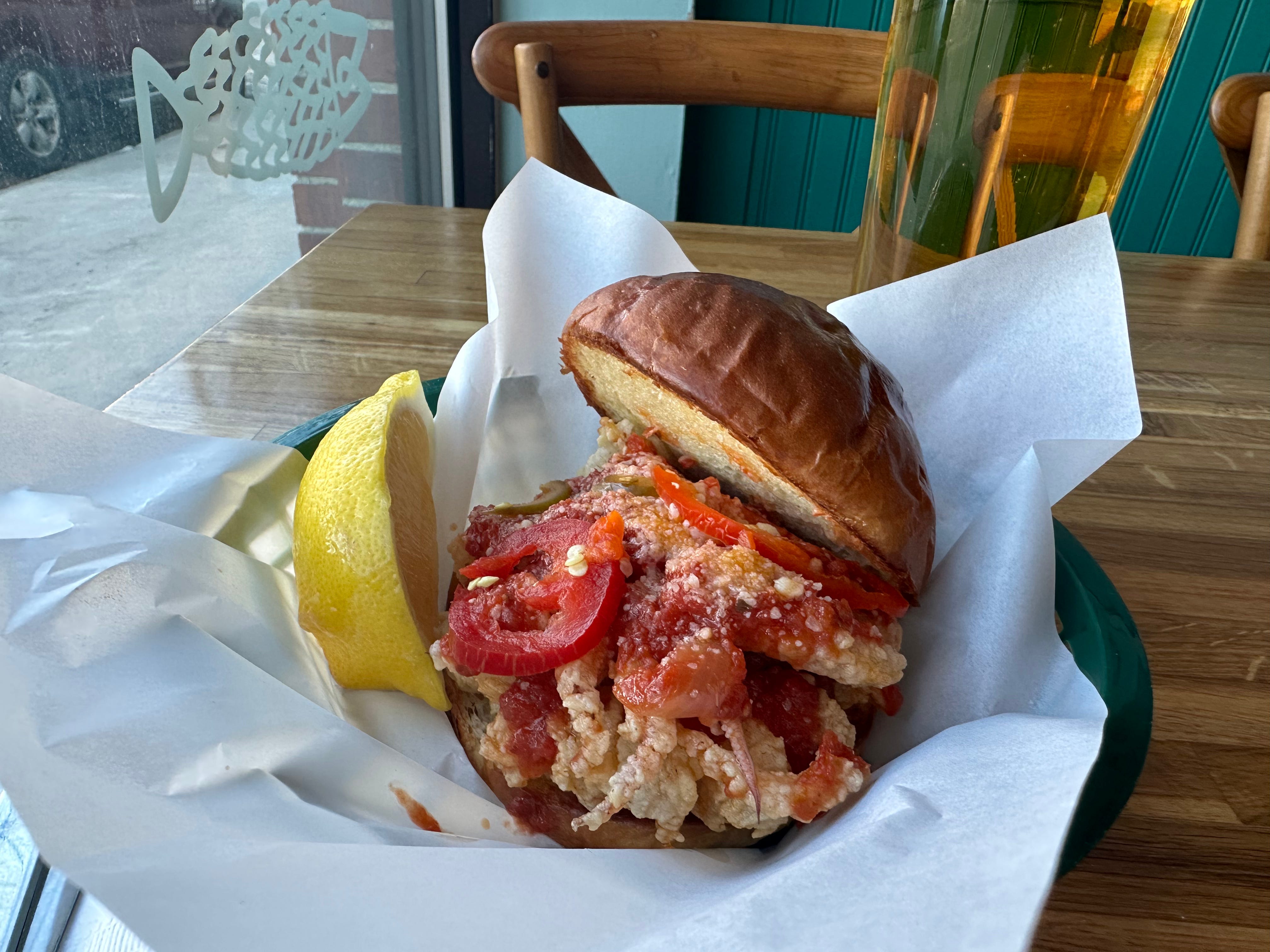
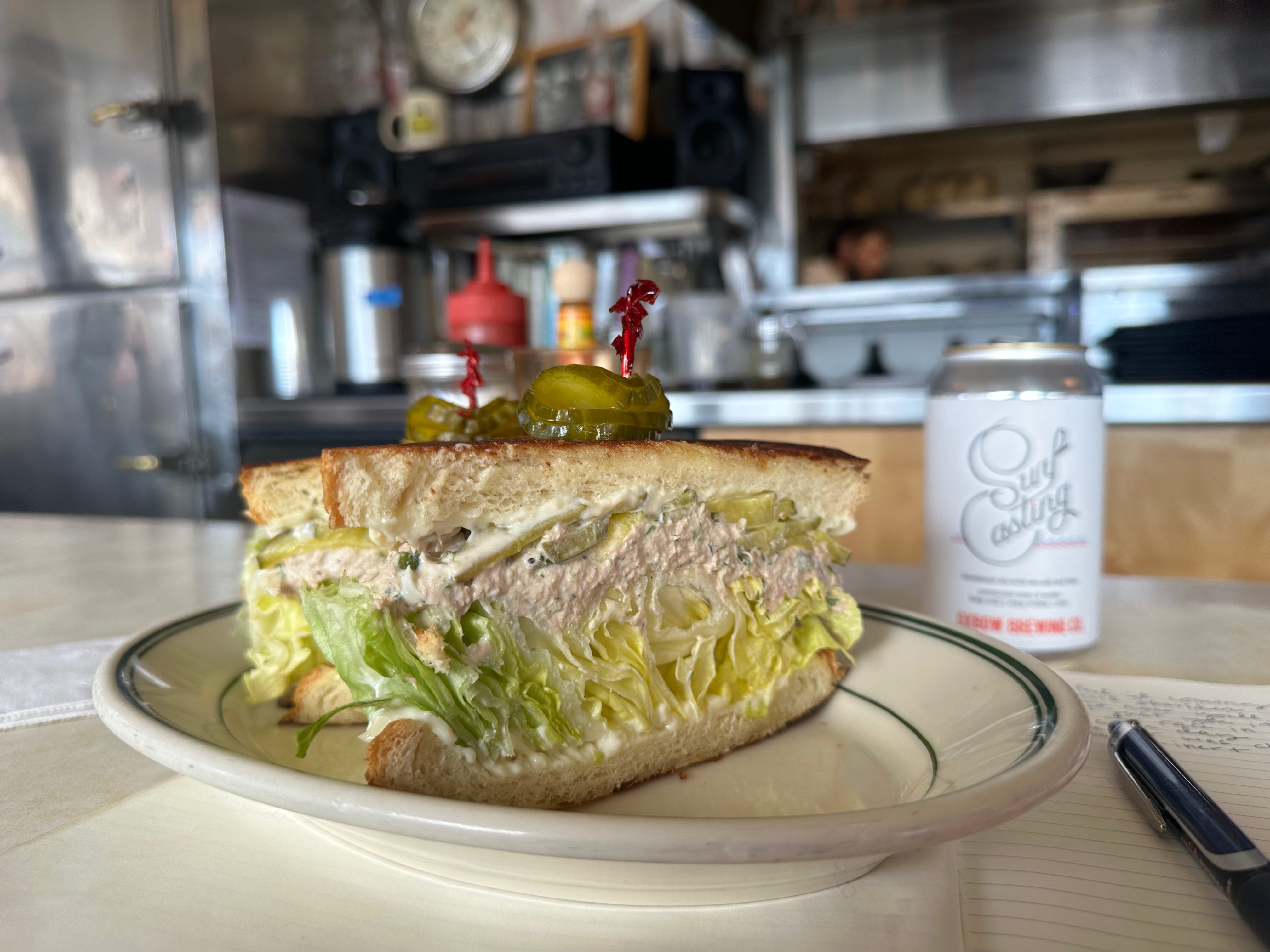
Fish & Whistle and Palace Diner are just blocks away from each other in our beloved Biddeford, Maine - a mill town built by immigrants - where just days ago we lost Johan Sebastián Durán Guerrero, a young and hopeful father and partner, to the gunfire of an ICE agent given a reckless amount of power by the incomprehensible powers that be in our nation right now. If you’d like to contribute to helping his family and helping an organization doing work every day on this front whether there is a news story or not, I’d recommend Project Relief Maine.
The world is hard to swallow if you aren’t an anaconda or a labrador retriever. We spent this Independence Day grilling with family at my uncle’s house. His wife and her childhood friend reminisced about the place they grew up in Columbia. They ate a lot of fish from the river, caught, grilled and eaten right then on shore. The flesh was good but had many fine bones that would get stuck in people’s throats for which they would swallow a fist of something soft but sturdy like plantain, cassava, or masa to drag it down. The world is hard to swallow. A sandwich helps it down. I’d love to hear about the sandwiches in your life if anyone cares to share in the comments. XO.
We are lucky to have Fink's Deli here in Bozeman, not so long ago an insufferable food desert, that makes killer sandwiches. I weekly go for the turkey on a soft baguette with sprouts and pickled onions. It never disappoints. Fink's is attached to a bakery that just won a Beard for Outstanding Bakery. I will stand forty people deep in line to order a coffee way up at the cash register so that I can pass by all the pastries. They are beautiful. I don't eat them, but I admire them and what it takes to make them. Then there is the pinnacle of this man's joy: the peanut butter and jelly sandwich made surreptitiously and left in the fridge, wrapped in foil, feathered with a note wishing me luck on the morning of a big mountain outing. That is a divine sandwich, my friend. Somehow when a person who loves you makes you a sandwich, you taste the love more than you taste the sandwich.
Life is too short to go that long without a PB & Fluff, Jenna.